

2026
Why Temporary Patch Jobs Fail & What a Permanent Repair Actually Looks Like
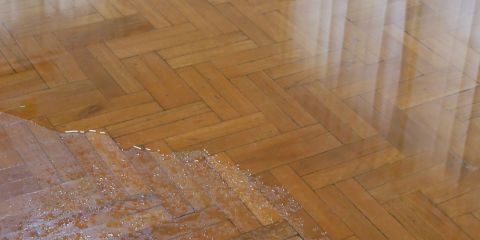
When a pipe bursts or a ceiling starts dripping in the middle of a rainy Vancouver night, the immediate instinct is to grab whatever is handy to stop the flow. Tape, putty, and sealants are often the first line of defense for panicked homeowners. While these quick fixes might slow the water down temporarily, they are merely band-aiding on a much larger problem.
A true fix goes beyond just stopping the visible drip; it addresses the root cause to ensure the issue never returns. Let us explore why those quick DIY methods inevitably break down and what it takes to secure your home with a lasting, professional repair.
The Hidden Dangers of DIY Sealants and Tape
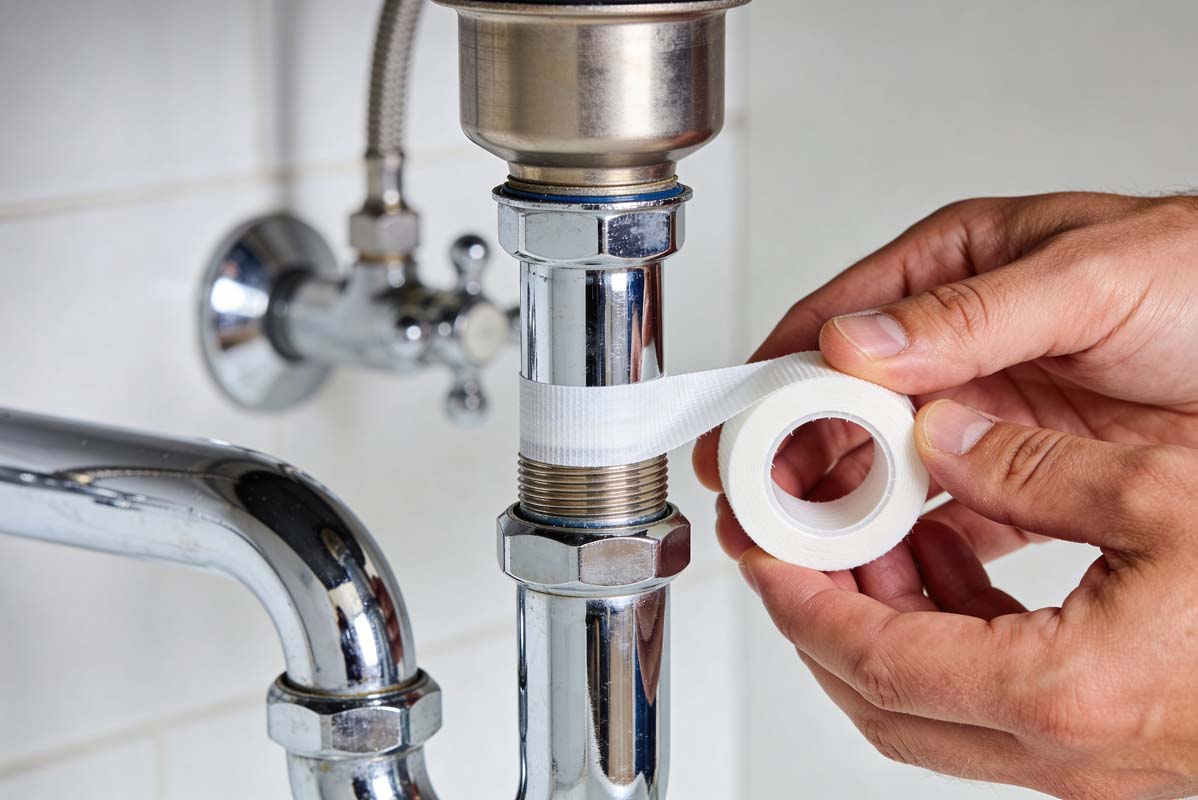
Walking down the plumbing aisle of any hardware store in Burnaby or Coquitlam, you will find countless products promising to instantly seal leaks. Epoxy putty, rubberized tape, and liquid sealants are marketed as miracle cures. However, these products are designed for emergency, short-term use only. They do not bond permanently to wet, pressurized pipes.
Over time, the constant pressure of the water supply will inevitably push past these superficial barriers. The adhesive degrades, the putty cracks, and suddenly, that minor drip turns into a major blowout. When this happens, the resulting water damage is often far worse than the original issue, leading to ruined drywall, warped flooring, and the need for extensive flood restoration services.
Furthermore, applying these temporary fixes can sometimes mask the true severity of the problem. A pipe that is corroded enough to leak in one spot is likely compromised in others. By simply taping over the visible hole, you are ignoring the structural weakness of the entire plumbing line, leaving your home vulnerable to sudden, catastrophic failure.
Understanding Water Pressure and Material Fatigue
To comprehend why temporary patches fail, you must understand the forces at work inside your plumbing system. Residential water lines in the Lower Mainland operate under significant pressure, typically between 40 and 80 psi. This constant force is relentless. A piece of tape or a dab of putty simply lacks the tensile strength to withstand this pressure indefinitely.
Additionally, pipes expand and contract with temperature changes. When hot water flows through a cold pipe, the metal or plastic expands slightly. This continuous thermal cycling causes temporary patching materials to loosen their grip. Here are a few reasons why material fatigue compromises quick fixes:
- Adhesives break down when exposed to constant moisture and temperature fluctuations.
- Putty hardens and becomes brittle, cracking under the vibration of water flow.
- Rubber clamps degrade over time, losing their elasticity and sealing power.
A permanent solution requires materials that are engineered to handle these specific stresses. Professional plumbers use specialized fittings, soldering techniques, and high-grade replacement pipes that match or exceed the durability of your original plumbing system.
Identifying the Root Cause of the Leak
A puddle on the floor is a symptom, not the disease. When you apply a temporary patch, you are only treating the symptom. To achieve a permanent repair, you must identify exactly why the leak occurred in the first place. Was it caused by freezing temperatures, age-related corrosion, or perhaps a sudden spike in municipal water pressure?
Without professional leak detection equipment, pinpointing the exact source and cause can be incredibly difficult. Water often travels along beams and pipes, meaning the spot where it drips from the ceiling might be several feet away from the actual breach. Professionals use thermal imaging, moisture meters, and acoustic sensors to trace the water back to its true origin.
Once the root cause is identified, a comprehensive repair plan can be developed. If the leak is due to widespread corrosion in an older Vancouver home, simply replacing a small section of pipe might not be enough. A permanent fix might require repiping a larger section to ensure the integrity of the entire system.
The Anatomy of a Professional Plumbing Repair
So, what does a permanent repair actually look like? It begins with a thorough assessment and ends with a solution that restores the plumbing system to its optimal condition. Unlike a patch job, a professional repair involves removing the compromised section of the pipe entirely.
The plumber will shut off the water supply, drain the line, and carefully cut away the damaged area. They will then measure and cut a new piece of pipe to fit perfectly into the gap. The connections are then secured using industry-standard methods. For copper pipes, this means cleaning, fluxing, and soldering the joints to create a watertight seal that is as strong as the pipe itself.
For modern PEX systems, specialized crimping tools are used to secure the fittings. Once the new section is installed, the system is slowly repressurized and rigorously tested. The plumber will inspect the new joints under full pressure to ensure there are absolutely no signs of moisture before declaring the job complete.
Preventing Mold and Structural Damage
One of the most significant risks of relying on a temporary patch is the slow, unseen accumulation of moisture. Even if a patch seems to be holding, a microscopic amount of water might still be escaping. In the damp climate of the Pacific Northwest, this is a recipe for disaster.
Moisture trapped behind walls or under floors creates the perfect breeding ground for mold and mildew. Mold can begin growing within 24 to 48 hours of water exposure. Not only does this pose serious health risks to your family, but it also rots the wooden framework of your home. A permanent repair eliminates this risk by ensuring the system is completely watertight.
If a temporary fix has already failed and caused water to pool in your lower levels, it is crucial to address the moisture immediately. Professional wet basements services can extract the standing water, thoroughly dry the affected areas, and treat the space to prevent mold growth, protecting both your health and your property value.
The Long-Term Financial Benefits of Doing It Right
It is easy to see the appeal of a $10 roll of tape compared to the cost of hiring a professional plumber. However, this is a classic case of false economy. The money saved upfront is almost always eclipsed by the massive expenses incurred when the patch inevitably fails.
Consider the costs associated with a burst pipe: replacing ruined drywall, installing new flooring, replacing damaged furniture, and the potential need for temporary lodging while repairs are made. Furthermore, if your insurance company discovers that a major flood was caused by a neglected, improperly patched pipe, they may deny your claim, leaving you to foot the entire bill.
Investing in a permanent repair provides peace of mind and financial security. It ensures that your plumbing system is reliable, compliant with local building codes, and capable of withstanding the demands of daily use. When you factor in the avoided costs of water damage and emergency calls, doing it right the first time is always the most cost-effective choice.
Securing Your Home with Lasting Solutions
Temporary patch jobs are exactly that, temporary. They are emergency measures meant to buy you a few hours until a professional arrives, not long-term solutions for your home's plumbing infrastructure. Relying on tape and putty puts your property at risk of severe water damage, mold growth, and expensive structural repairs.
A permanent repair requires expertise, the right materials, and a thorough understanding of plumbing dynamics. By addressing the root cause and replacing compromised components with high-quality materials, you ensure the safety and longevity of your water system.
604FixLeak offers leak detection, plumbing repairs and restoration services in the Greater Vancouver area.
If you have any questions about this article or need some help with a leak in your home or office, call us today at (604) 349-5325.

