


2026
What to Do If Your Water Bill Suddenly Spikes: Could It Be a Leak?
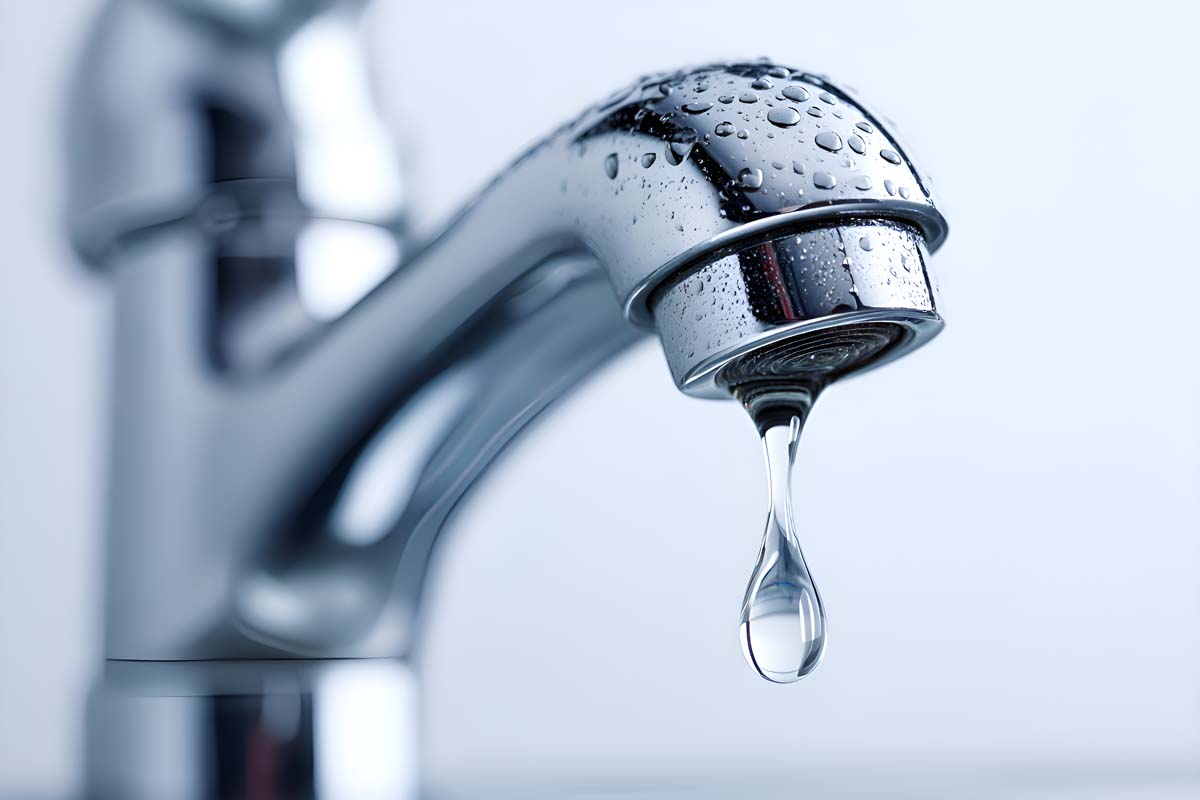
A sudden, unexplained surge in your water bill can be a homeowner's nightmare, often leading to immediate concern and a scramble for answers. In Vancouver, BC, where water conservation is increasingly important, understanding the cause of such a spike is crucial not only for your budget but also for preventing potential property damage. This unexpected increase often points to a hidden issue within your plumbing system, with leaks being a primary suspect.
Before panic sets in, it's important to systematically investigate the potential culprits behind your elevated water usage. From subtle drips to more significant underground pipe breaches, various factors can contribute to a soaring bill. Identifying these issues early can save you from costly repairs and extensive water waste, protecting both your home and your wallet.
Understanding Your Water Meter and How to Read It
Your water meter is the first and most reliable tool for detecting unusual water consumption. Located typically near the street or in your basement, this device records every drop of water entering your property. Learning how to read it can provide immediate insights into whether water is being used when it shouldn't be, even when all faucets are off and appliances are idle.
To perform a simple leak test, ensure no water is being used inside or outside your home. Then, observe the small red triangle or sweep hand on your water meter. If it's moving, even slowly, it indicates that water is flowing through your pipes, suggesting a leak somewhere in your system. This initial check is a critical first step before calling in professionals.
Beyond just checking for movement, understanding the numerical display on your meter allows you to track your daily or weekly water usage. By comparing these readings over time, you can identify trends and pinpoint when the spike in consumption began, providing valuable information for diagnosing the problem.
Common Hidden Leak Locations in Your Home
Leaks aren't always obvious; many can go undetected for weeks or even months, silently driving up your water bill. Toilets are notorious for silent leaks, often due to a faulty flapper valve that allows water to continuously run into the bowl or drain. A simple test involves adding a few drops of food coloring to the toilet tank and waiting 15-20 minutes without flushing; if color appears in the bowl, you have a leak.
Another common culprit is dripping faucets, which, while seemingly minor, can waste hundreds of gallons of water annually. Similarly, showerheads can develop slow drips that add up over time. Inspecting visible pipes under sinks and behind appliances like washing machines and dishwashers can also reveal small, persistent leaks that contribute to higher bills.
Consider these potential leak sources:
- Running toilets (faulty flapper or fill valve)
- Dripping faucets and showerheads
- Leaky water heaters or connections
- Pinholes in supply lines behind walls
Even outdoor irrigation systems can be a source of hidden leaks, especially if pipes are buried or sprinkler heads are damaged. Regularly checking your garden hoses and outdoor spigots for drips can also help prevent unnecessary water loss.
Investigating Outdoor Leaks and Irrigation Systems
While indoor leaks are often the first suspect, significant water bill spikes can also originate from outside your home. Underground pipes, particularly those leading from your water meter to your house, are susceptible to leaks caused by ground movement, tree roots, or age. Signs of an outdoor leak might include unusually lush patches of grass, soggy areas in your yard, or a noticeable drop in water pressure inside your home.
Your irrigation system is another prime candidate for outdoor water waste. Cracked sprinkler lines, broken sprinkler heads, or malfunctioning valves can lead to substantial water loss, often unnoticed because the water simply soaks into the ground. Regular inspection of your irrigation system, especially before and after the watering season, is essential to catch these issues early.
For more persistent or hidden outdoor issues, specialized leak detection services in Vancouver can employ advanced techniques like acoustic listening devices or thermal imaging to pinpoint the exact location of underground leaks without extensive digging. This precision can save both time and money in the repair process.
The Role of Professional Leak Detection in Greater Vancouver
When DIY methods fail to identify the source of a water bill spike, or if you suspect a more serious hidden leak, it's time to call in the experts. Professional plumbing leak detection specialists in the Greater Vancouver area have the tools and expertise to accurately locate even the most elusive leaks. They use non-invasive techniques to minimize disruption to your property, ensuring a swift and efficient diagnosis.
These professionals can identify leaks in various challenging locations, including behind walls, under concrete slabs, and within complex piping systems. Their advanced equipment can detect subtle changes in moisture levels or listen for the faint sounds of running water, pinpointing the problem area with precision. This is particularly important for preventing further damage to your home's structure.
Consider the benefits of professional intervention:
- Accurate and non-invasive leak location
- Identification of hidden and complex leaks
- Prevention of further water damage
- Expert advice on repair options
Early detection by professionals can prevent minor leaks from escalating into major water damage issues, which can be incredibly costly to repair. They can also advise on the best course of action for water damage restoration if a leak has already caused significant problems.
Addressing the Root Cause: Repairing and Preventing Leaks
Once a leak is detected, the next crucial step is to address the root cause through timely and effective repairs. Depending on the severity and location of the leak, repairs can range from simple DIY fixes, like replacing a toilet flapper, to more complex plumbing work requiring professional intervention. Ignoring a detected leak, no matter how small, can lead to ongoing water waste, higher bills, and potential structural damage to your home.
For more intricate issues, such as leaks within walls or under foundations, professional plumbers are equipped to perform the necessary repairs. They can replace damaged pipes, seal connections, and ensure your plumbing system is restored to optimal condition. It's important to choose experienced and reputable professionals to ensure the repair is durable and prevents future recurrences.
To prevent future water bill spikes and leaks, consider these proactive measures:
- Regularly inspect visible plumbing for drips or moisture
- Test your toilets for silent leaks annually
- Maintain your irrigation system and outdoor spigots
- Address minor plumbing issues promptly
Investing in preventative maintenance and addressing small issues before they become major problems is key to long-term water conservation and cost savings. This approach not only protects your finances but also contributes to the longevity of your home's plumbing infrastructure.
When a Water Bill Spike Signals a Bigger Problem
Sometimes, a sudden and dramatic increase in your water bill can be a symptom of a much larger underlying issue than just a simple leak. While leaks are common, extensive water damage, such as that leading to wet basements, can result from prolonged, undetected leaks or even external factors like foundation cracks. These situations require immediate attention to prevent mold growth, structural compromise, and significant repair costs.
In cases where water has accumulated in your basement or other areas, professional water damage remediation is essential. This involves not only drying out the affected areas but also addressing any potential health hazards like mold and mildew. Acting quickly can mitigate the extent of the damage and reduce the overall cost of restoration.
For insights into effective and lasting solutions, you might find it helpful to read about why temporary patch jobs fail and what constitutes a permanent repair. Understanding the difference can save you from recurring problems and expenses.
Securing Your Home Against Future Water Surges
After identifying and resolving the cause of your water bill spike, the focus shifts to implementing strategies that protect your home from future occurrences. This involves a combination of regular vigilance, smart home technology, and professional maintenance. Being proactive is the best defense against unexpected plumbing issues and their financial repercussions.
Regularly monitoring your water meter, even when you don't suspect a leak, can help you catch subtle increases in usage before they become significant. Consider installing smart water leak detectors in vulnerable areas like basements, near water heaters, and under sinks. These devices can alert you instantly to the presence of moisture, allowing for rapid intervention.
Here are key steps to secure your home:
- Perform monthly water meter checks
- Install smart leak detection sensors
- Schedule annual plumbing inspections
- Educate household members on water conservation
Additionally, scheduling annual plumbing inspections with a trusted professional can help identify potential weaknesses in your system before they lead to leaks. A professional can assess the condition of your pipes, fixtures, and appliances, offering recommendations for maintenance or upgrades that enhance your home's water efficiency and leak resilience.
604 FIX LEAK specializes in leak detection, leak repairs, and flood restoration services in Vancouver and the Greater Vancouver Area. We can find your leak, fix it, mitigate water damage, and perform remediation. Our team of professionals is available 24/7 for emergency leak repairs.

